


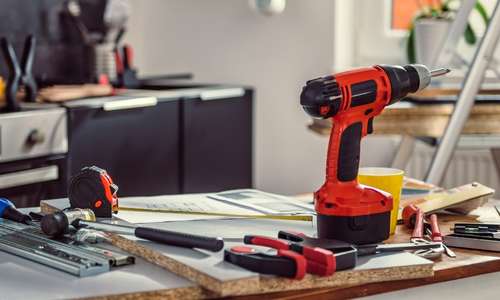
Planning home repairs and renovations can sometimes be overwhelming, but they are also essential for maintaining a property and preserving or improving its value.
Ideally, you’ll start with clear expectations around what the project will achieve, as well as a budget.
There might be some elements you can handle yourself but keep in mind that if the task is beyond your skill level, it could be risky. Sometimes DIY projects end up being more costly following mistakes and they can be dangerous or even illegal. For example, electrical work can only be done by a licensed or registered electrician.
It’s also important to know your rights and protect yourself when using a professional builder or tradesperson for any task, big or small.
Ask around to find a business with a good reputation, or check independent reviews online, and always get more than one written itemised quote. It’s also crucial to check your tradesperson has a licence. You can ask to see it directly or check the Consumer Business Services (CBS) licensing register.
Once you’ve chosen your professional tradie, bear in mind that projects costing $12,000 or more require a written contract. If council approval is required, there must also be building indemnity insurance. Your builder needs to provide you and the council with a copy of the insurance before starting work. This insurance is for your protection – for example, if the builder becomes bankrupt.
Be aware of paying your builder too much in advance – if the builder doesn’t complete the work, you could be left out of pocket. After paying a small deposit, only pay for work completed.
CBS is cracking down on builders who perform unlicensed building work or take payment and fail to complete the agreed work. If you are concerned about the conduct of a business or individual, please contact CBS to make a complaint on 131 882 or use an online form. You can also request advice if you are unable to resolve a dispute with your builder.
A word on asbestos
Did you know that one third of Australian homes contain asbestos? There is no known safe level of exposure to asbestos and knowing what to look for is not always easy.
Asbestos was used in more than 3000 products before 1990, including roofing, gutters, downpipes, cladding, insulation, fencing, in the lining behind tiles and splashbacks, in electrical meter boards and underneath carpet or vinyl flooring. It has since been banned due to its health risks.
Always check if asbestos is present before you start any repairs, maintenance, or home improvements. If you are unsure, ask an asbestos professional for advice.
If the asbestos material is in good condition, do not disturb or damage it. If it is broken, weathered or if any building or trades work is likely to disturb or damage the asbestos, seek professional help to remove it.
There are more resources on asbestos at asbestos.sa.gov.au
For more information
To read more about your rights and how to exercise them during the building process, see the online consumer guide: Building, extending & renovating a home.
Read more about CBS’ compliance focus on the building and other industries at https://www.cbs.sa.gov.au/compliance-priorities