


*Brought to you by the South Australian Photographic Federation Inc.
David Shetliffe, President of the South Australian Photographic Federation Inc. (SAPF) talks about his journey of joining a Camera Club and what he has learnt along the way.
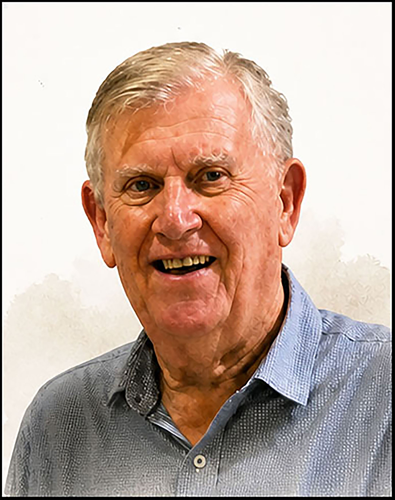
David Shetliffe, President of the SAPF
Like many of us, I grew up with a parent who took lots of photographs. I started taking photographs myself when I began travelling to different places and having children. When I retired, I looked for something engaging to do and decided to join a camera club. I had seen my father get much pleasure from the clubs he belonged to, and my thinking was that it would give me a focus for taking photographs and would help me develop my knowledge and skill.
And so began my involvement in the wonderful world of amateur photography - and my initial hopes were more than fulfilled.
When I joined, I was assigned a mentor who helped me understand how my camera really worked, what software to use to process my photographs - and how to use it. Then I started heading off to take photos of various subjects and found this occupied my time very constructively. The club also has photoshoots and weekends away, where there is shared activity. Friendships developed with like-minded people.
I decided to join the management committee of the South Australian Photographic Federation (SAPF) a few years ago and became President in 2024. The SAPF is the peak body for most of the camera and photography clubs in South Australia. It provides a range of services for 30 clubs in the State, in particular, training courses for club members at economical prices. Our newsletter not only lets members know about forthcoming events but also gives insights into how award-winning photographs were taken. This helps us all to learn.
I have now visited all the affiliated clubs and have been encouraged and inspired by what I have observed.
Some clubs are quite large in size, others smaller, and this leads to different approaches to their meetings. Larger clubs tend to place more emphasis on competitions as a way of providing positive feedback on members’ submitted photographs, while smaller clubs are often less formal and more likely to discuss the qualities of one another’s images.
I am aware that many prospective members are a little intimidated by competitions and struggle with getting feedback from a very experienced photographer – a judge. However, I have found that competitions provide great learning through listening to comments about all the entries, inspiration from seeing the work of others and encouragement to improve. Our judges are very conscious that learning is at the heart of what they do.
Photography is constantly evolving, and these days many people use their phone as their camera. I have seen many great photographs taken with a phone and camera clubs welcome those who use these as their camera. There is no barrier to using a phone for taking great photographs, including for competitions.
A significant proportion of the membership of camera clubs is made up of retired people, both male and female. The incentive to take photographs results in members getting out and about, either individually or collectively, exploring the world around us. This can be the natural world - plants, animals and landscapes or the human world - people, buildings and events.
This kind of activity is clearly very good for our wellbeing, particularly as we age. I have certainly found it provides a real purpose in how I spend my life and I have no doubt it greatly beats the alternative of sitting around wondering how to fill in my days.
I encourage anyone who has an interest in taking photographs to think about joining a camera club and meeting up with people with a shared interest.
Club details can be found on the SAPF website at: www.sapf.org.au/affiliatedclubs
Imagine the joy of taking photographs like these! They were all award winners at the 2025 SAPF Annual Exhibition.
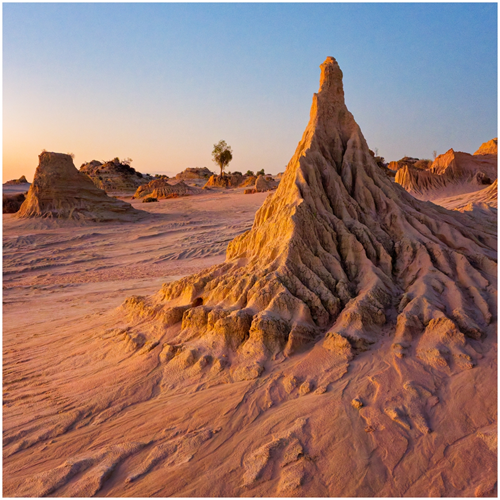
“Lake Mungo Evening” Alan Bevan AAPS
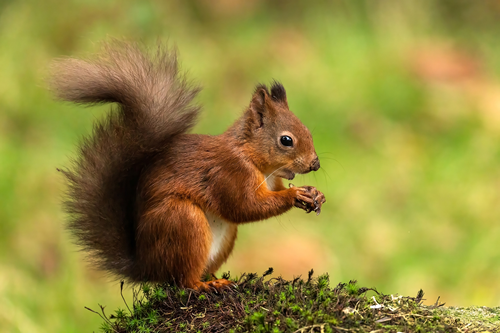
“Endangered Red Squirrel” Amanda Luker AAPS
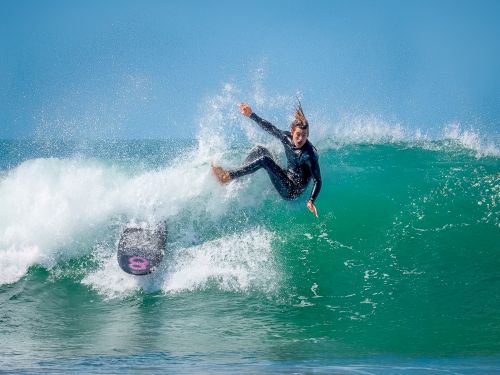
“Wipe-Out” Susan Scott
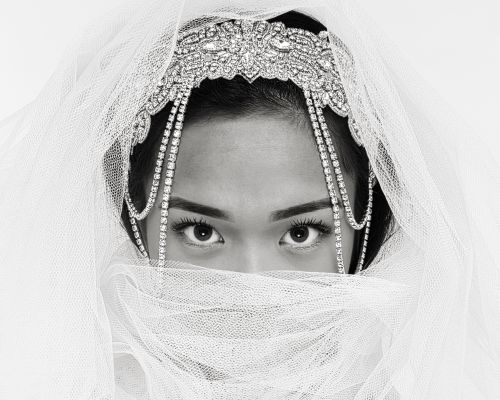
“Princess of the East” Marc Fullager