


Step inside Government House on 24 May, for a special Open Day in conjunction with the 2026 History Festival. From 10am-2pm visitors can see inside the public rooms of Government House, learn of its history and contemporary workings, and ask questions of knowledgeable guides.
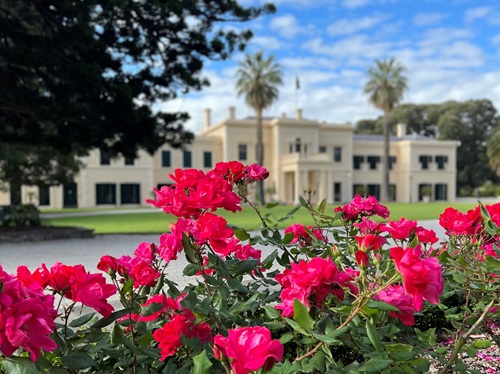
Visitors are invited to join a guided garden tour or wander the grounds independently, taking in the beehives that supply honey to the Government House kitchen, the Governor’s Rose Garden dedicated to each Governor in the state’s history, and the sweeping lawns, vegetable garden and ceremonial plantings, including a descendant of the Lone Pine at Gallipoli.
You can also enjoy tours of the house and garden, live music from the Playford City Bands and other family-friendly activities. Food and beverages can be purchased from the Novita Grounds for Growth coffee van and the Eden Hills Scout Group BBQ.
The Government House Open Day will also be showcasing a fascinating object representing the State’s connections with pioneering naval explorer Captain Mathew Flinders, who is famed for the first recorded circumnavigation of Australia between 1801 and 1803 and bringing the name “Australia” into common usage.
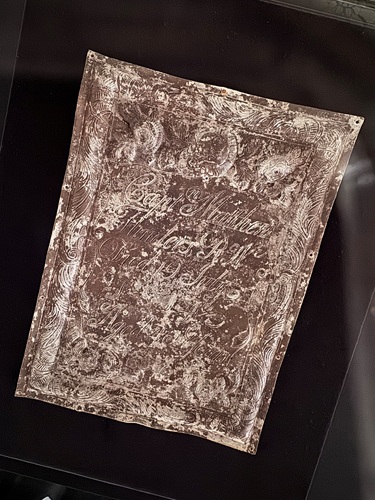
In 2019 archaeologists in London excavated a former burial ground to prepare for a railway expansion. While it was known that Matthew Flinders was among the 30,000 burials on the site, the location of his grave was unknown and excavators were not in fact looking for it.
It was only through the state of preservation of the name plate on his coffin plate that his remains were identified. They were subsequently reinterred in his hometown of Donington in Lincolnshire, in a ceremony at which South Australia was represented by Her Excellency the Governor.
Flinders family bequeathed the lead coffin plate to the state of South Australia. It returned home with Her Excellency and is currently on display in the Government House Ballroom.
Flinders is remembered through many place names in South Australia connections, including Flinders University and the Flinders Ranges. Also on display at Government House are 500 million years old fossils from the Flinders Ranges, including Spriggina, which was discovered 80 years ago this year and made the State’s officials fossil in 2017. In recognition of the global importance of the Flinders Ranges fossil beds, the site is currently under consideration for World Heritage listing.
To find out more, visit www.governor.sa.gov.au.