


Looking to take a bit of pressure off your household budget? Consider investing in green energy options like solar panels, hybrid or electric vehicles and energy efficient appliances. You might fork out a little more at first, but going green could potentially save you more in the long run.
Energy efficient appliances
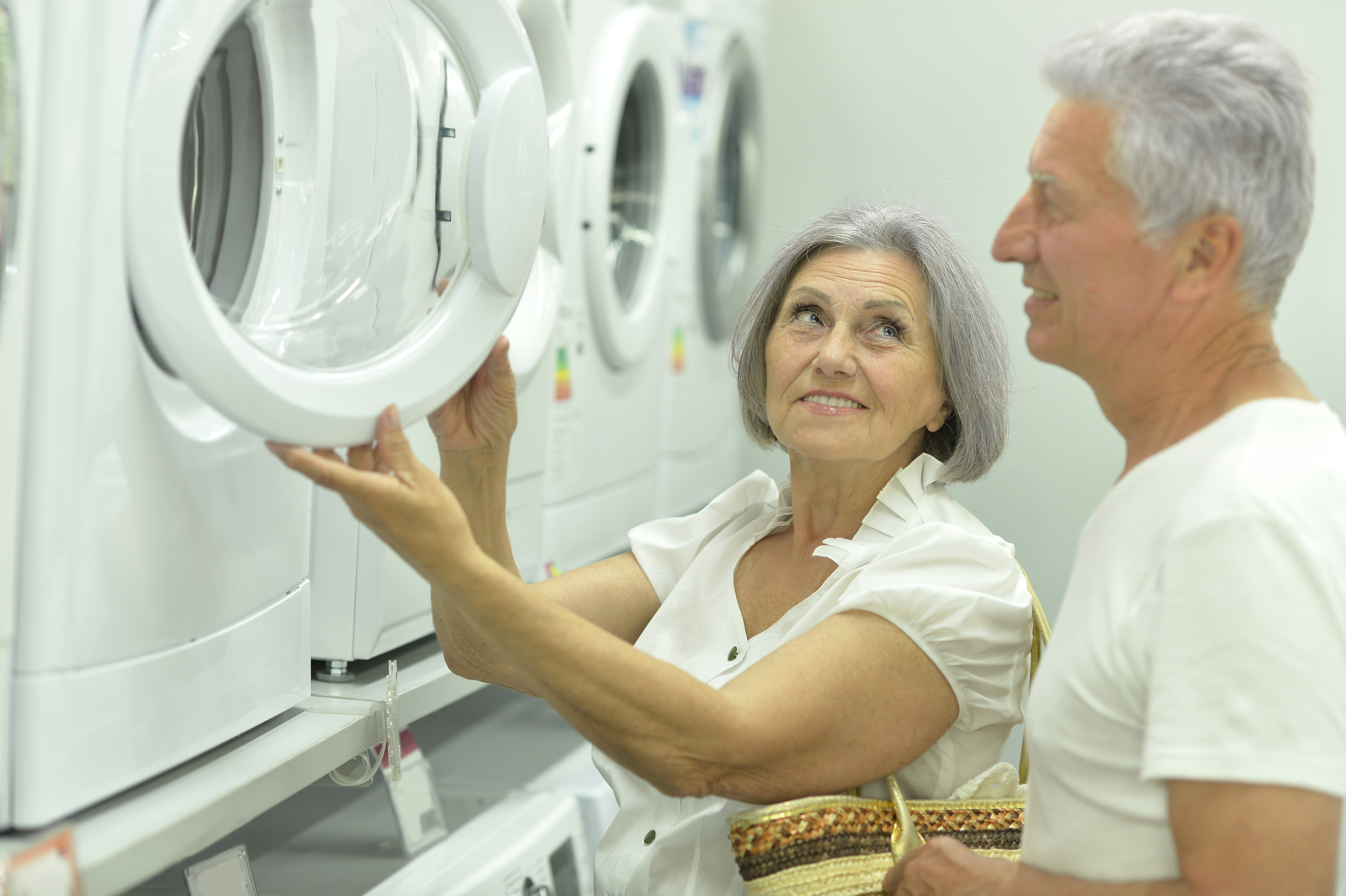
Replacing your household appliances? Look for more energy efficient options to reduce your carbon footprint and lower your electricity bill.
Energy efficient appliances might cost a little more upfront but can save you over time because they’re cheaper to run.
When looking for a suitable appliance, figure out what size is right for you. Avoid paying for more capacity than you need. Remember that the bigger the appliance, the more energy it will use.
Once you know what size is best, check the Energy Rating Label. They use a 0–5-star energy efficiency rating to help you easily compare and find the most efficient product.
If you have a certain product in mind, make sure you shop around to increase your savings, and check independent reviews.
Check what the warranty covers if the appliance doesn’t work as expected or breaks down. If a retailer offers an extended warranty or care package, check if it really gives you anything extra. Your consumer guarantee rights automatically protect you under Australian law.
Solar panels
If you want to create a more energy efficient home, solar panels are a great way to generate renewable electricity from sunlight.
When buying a solar system, you’ll need to choose whether to invest in a solar battery, or to feed unused energy back into the grid. If you send energy back to the grid, you’ll earn feed-in tariffs as credit towards your power bill. Think about the time of day you’ll be using electricity and what the tariffs are in your area to make this decision.
Once you know what type of system you want, get an itemised quote from multiple licensed installers. Check the SA licence register to make sure the tradesperson has the correct licence. A solar installer must have an electrician’s licence unless structural building work is involved (e.g. reinforcing roof framing), in which case a builder’s licence would be required.
Make sure you do your research to check that money and power saving claims made by sellers are true. Read independent reviews to find out about other people’s experiences with the seller if you’re unsure.
Be cautious of door-to-door, public area and telephone salespeople who use tactics to pressure you into signing up to a solar package on the spot. Be aware that this is an unsolicited consumer agreement, so you have a 10-business day cooling off period to cancel the contract.
Hybrid & electric vehicles
If you’re thinking of buying a hybrid or electric vehicle, explore your options. Not rushing into a purchase will give you a better chance of finding the best deal.
You could lessen your environmental impact while you’re on the road by driving a hybrid or electric vehicle. Electric vehicles don’t produce tailpipe emissions, making them the greenest car choice. Powered by both fuel and electricity, during operation hybrid vehicles only release emissions when they run on fuel. Charging a hybrid or electric vehicle is a practical way to use excess energy you might be storing in a solar battery at home. Always remember to follow the safety instructions.
Hybrid and electric vehicles also offer financial benefits. These include:
- low or no fuel expenses
- cheaper servicing costs because they have fewer parts
- tax benefits and exemptions on certain vehicle purchases.
If you’re buying second hand, make sure you take the car for a test drive and get a mechanic to check it for defects. Always read the warranty. Under recent changes, you’ll now get greater warranty protections if you purchase a used hybrid or electric vehicle from a licensed dealer.
More information
Read more about solar energy on the CBS website.
Making a big purchase and want to know your consumer rights? Visit the SA.GOV.AU buying goods and services webpage.