


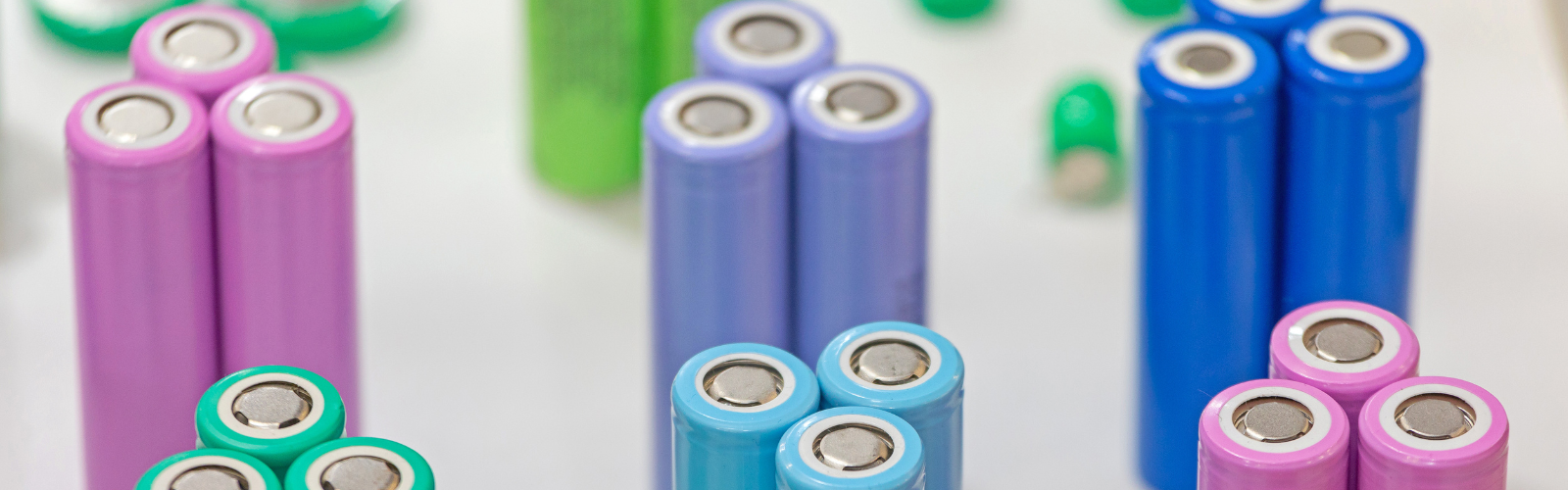
What are lithium-ion batteries?
Lithium-ion batteries have become extremely popular in manufacturing over the last decade. They can be small, rechargeable, hold a good amount of energy – and it’s likely they’re in products across your home. While there’s no need to be alarmed by their presence, it’s important that you handle and store them safely to prevent any safety hazards.
How do I know if they’re in my home?
Lithium-ion batteries can be found in a range of rechargeable products including mobile phones, laptops, e-bikes, e-scooters and solar panel devices. You can check if your device includes them by looking for labels such as:
- Li-ion
- Li-po
- Lithium polymer
- Lithium-ion
- and other variations of ‘Li’.
Do’s
If you do find your device contains a lithium-ion battery, don’t panic, or be put off making a purchase. Instead, be aware and take time to understand the steps you can take to keep yourself and your family safe.
Manufacture of the battery is important. As these types of batteries are created differently than a typical battery with different internal processes and chemicals, you shouldn’t opt for just the cheapest option. Make sure your battery meets Australian standards and purchase it from a reputable supplier.
Once you have your device or battery, make sure you store it in cool, dry places out of sunlight. To avoid the battery swelling, overheating and even fires, make sure you charge it on a non-combustible surface, such as concrete or a table. Avoid material surfaces, such as a couch or a bed.
Don’ts
When handling your device/battery be sure to remove it from areas which hold heat. This includes leaving your laptop or mobile phone in the car for instance. A car’s internal temperature is often 5-10 degrees warmer than the outside temperature.
If you’re recharging a battery, let it cool before you plug it in. Make sure to also let the battery cool after charging and before use. Do not overcharge the battery as it can also pose a hazard.
To make sure you take the item off charge once it reaches 100%, set an alarm for an hour or so and check in regularly on the device. If a device is left on charge longer than necessary, it can overheat and become a potential fire hazard. It can also diminish the battery’s capacity, and it will likely mean you need to charge the device more often.
If your battery or its charger, comes to the end of its life:
- Purchase a replacement from a reputable supplier.
- Dispose of the battery properly. You can do this by finding a designated recycling centre, a designated bin at your local hardware store or supermarket - or even send it back to the supplier if they accept them. If the battery is physically damaged, place it in an insulated plastic bag (such as a lunch bag or cold item shopping bag) before disposal to avoid any short-circuiting.
For more information
Contact Consumer and Business Services (CBS) or phone CBS on 131 882 if you need further advice.